|
|
| SE.161 Languedoc of Air France at Paris (Le Bourget) Airport in 1951 | |
| Role | Airliner |
|---|---|
| National origin | France |
| Manufacturer | SNCASE |
| Designer | Marcel Bloch |
| First flight | 15 December 1939 |
| Introduction | 1946 |
| Retired | 1964 |
| Primary users | Air France French Air Force French Navy |
| Produced | 1945–1948 |
| Number built | 100 |
| Developed from | Bloch MB.160 |
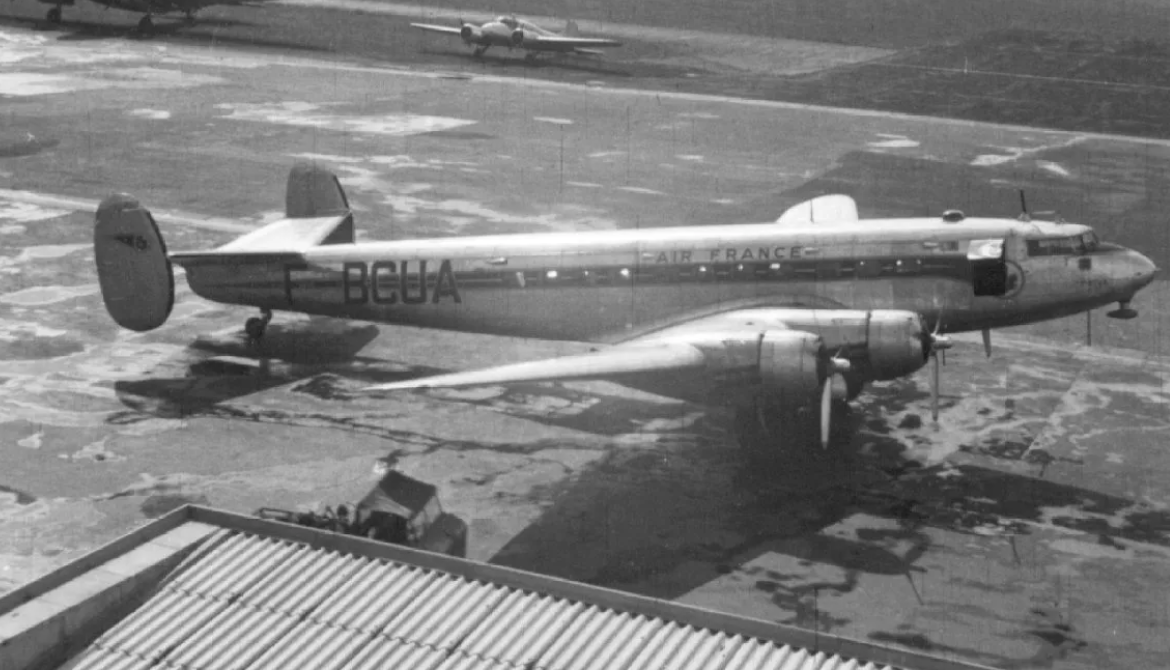
In 1936, Air Afrique needed a new airliner for its African services. Marcel Bloch proposed a development of his Bloch MB.160 aircraft, the Bloch MB.161, which after World War II became the SNCASE SE.161 Languedoc. Design work on the new aircraft began in 1937.[1] The prototype, F-ARTV, first flew on 15 December 1939. It was powered by four Gnome-Rhône 14N radial engines of 1,020 hp (760 kW) each
Operational history
Ten ex-Air France aircraft were converted for operation in the Search and Rescue (SAR) role with SGACC. They were modified with a large ventral gondola, observation windows and a ventral search radar under a transparent fairing, similar to the design adopted in the French Navy SAR Avro Lancasters.

Ceiling
MAX RANGE
Aircraft Speed
Max Crew
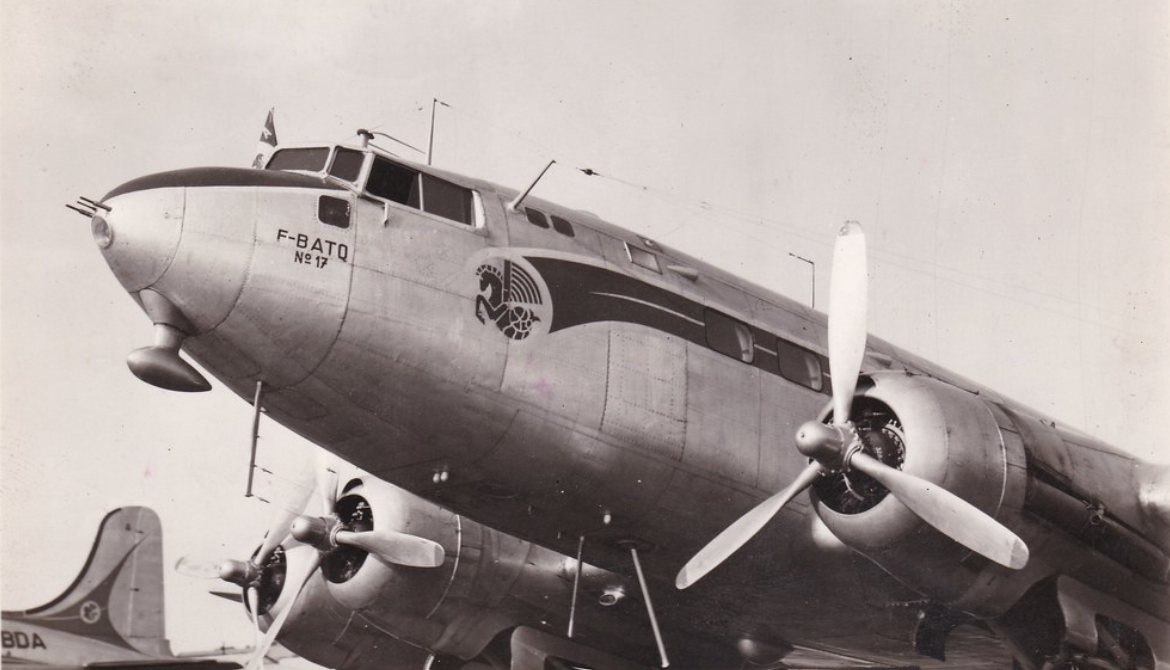


.
Aircraft of comparable role, configuration, and era
The largest military operator was the French Navy, which operated 25 different Languedoc aircraft over the years. The first aircraft were delivered in 1949 and used as long-range transports between Paris, Marseille and Lyon, and North Africa;.

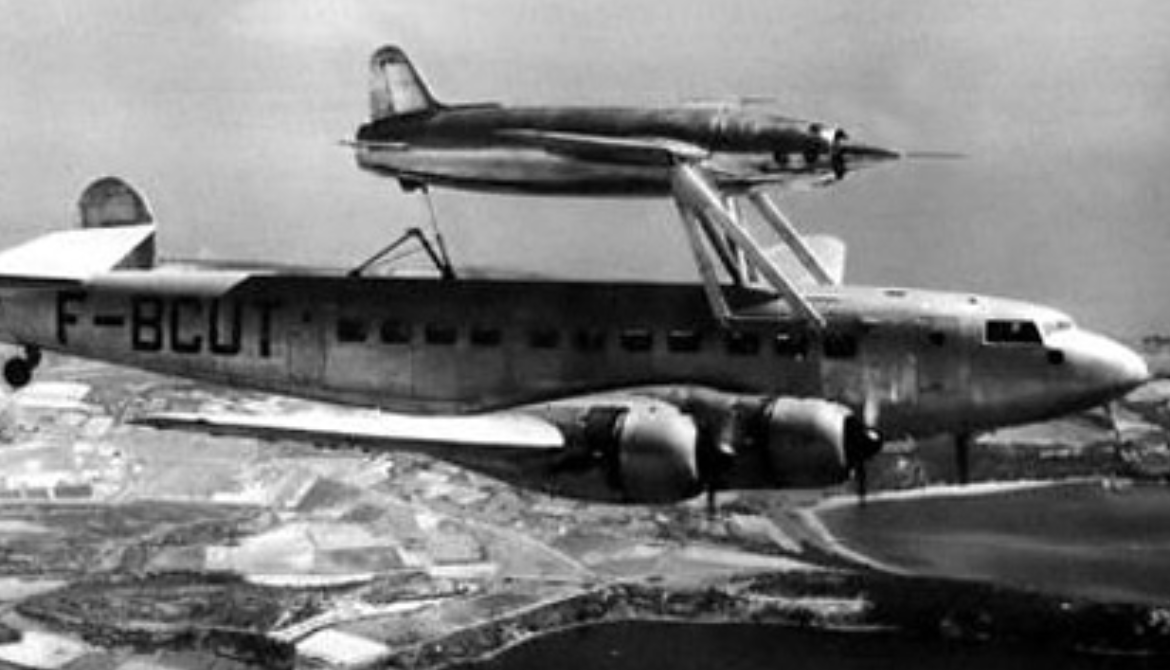
A small number of Languedocs were used as flying testbeds and mother ships, succeeding the pair of He 274 prototype airframes.
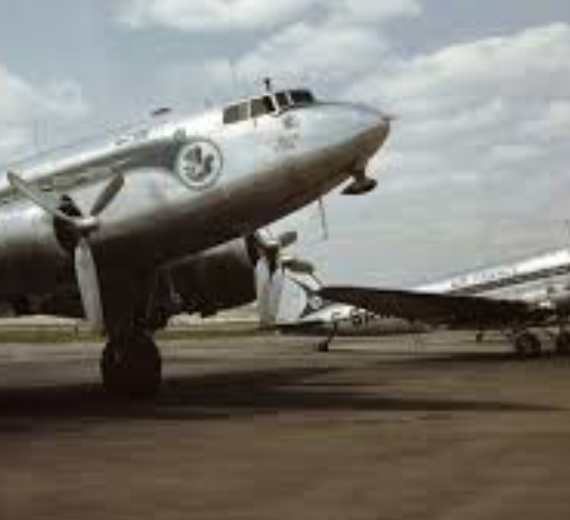
The last Air France Languedoc was withdrawn from domestic service in 1954, being then unable to compete with more modern airliners.