de Havilland Canada
DHC-6 TwinOtter
Manufactured 1965–1988
First flight 20 May 1965


de Havilland Canada
DHC-6 Twin Otter
|
|||||||||||||||||||||||||||

.
History de Havilland Canada
DHC-6 Twin Otter
Manufactured 1965–1988 First flight 20 May 1965
The de Havilland Canada DHC-6 Twin Otter is a Canadian STOL (Short Takeoff and Landing) utility aircraft developed by de Havilland Canada in the mid-1960s and still in production today. Built by De Havilland Canada from 1965 to 1988, Viking Air purchased the type certificate and restarted production in 2008, before re-adopting the DHC name in 2022. In 2023 DHC restarted production of the 300 series, in addition to the Series 400 produced by Viking.
Design

Development of the aircraft began in 1964, with the first flight on 20 May 1965. A twin-engine replacement for the single-engine DHC-3 Otter retaining the DHC-3's STOL qualities, its design features included double-slotted trailing-edge flaps and ailerons that work in unison with the flaps to boost STOL performance. The availability of the 550 shaft horsepower (410 kW) Pratt & Whitney Canada PT6A-20 turboprop in the early 1960s made the concept of a twin feasible
Variants & Operators
_(2-3-2024).jpg)


- DHC-6 Series 100
- Twin-engine STOL utility transport aircraft, powered by two 550 shp (410 kW) Pratt & Whitney PT6A-20 turboprop engines.
- DHC-6 Series 110
- Variant of the Series 100 built to conform to BCAR (British Civil Air Regulations).
- DHC-6 Series 200
- Improved version.
- DHC-6 Series 300
- Twin-engine STOL utility transport aircraft, powered by two 680 shp (510 kW) (715 ESHP) Pratt & Whitney Canada PT6A-27 turboprop engines.
0
KmCeiling
0
HrEndurance
0
Km/hAircraft Speed
0
Max Crew
Photo Gallery
de Havilland Canada
DHC-6 Twin Otter
Manufactured 1965–1988 First flight 20 May 1965

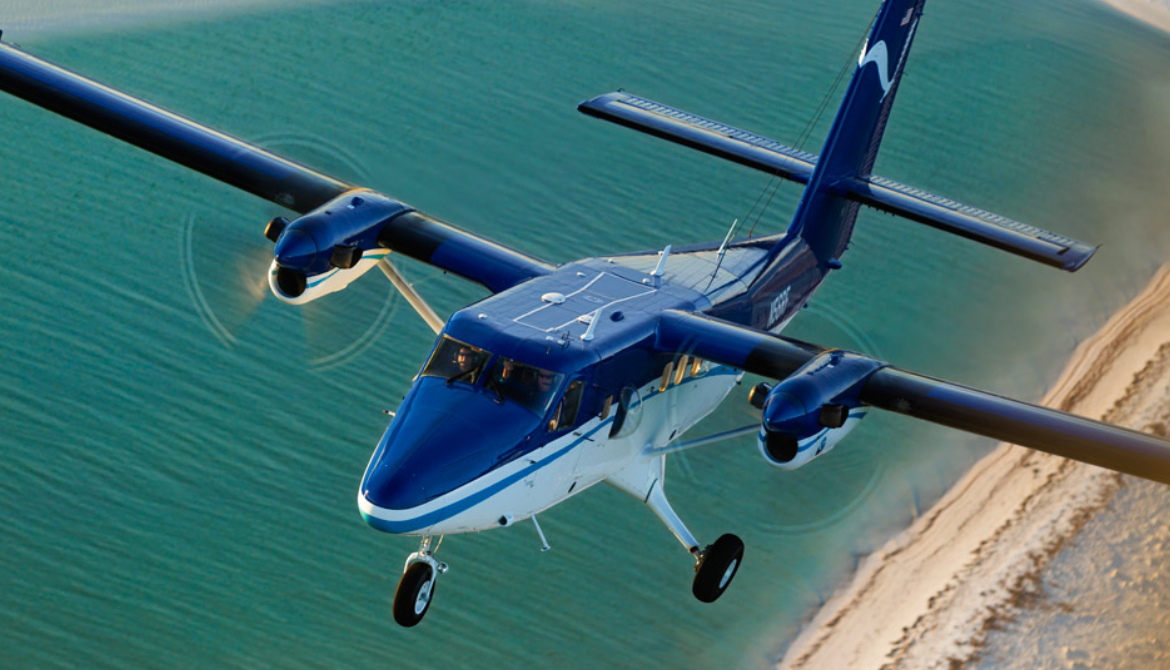


de Havilland Canada DHC-6 Twin Otter Manufactured 1965–1988 First flight 20 May 1965
General Info
-
-
-
-
Series 100 Cockpit crew 1–2 Seating 20 Length 49 ft 6 in (15.09m) Height 19 ft 6 in / 5.94 m Wing 65 ft 0 in (19.81 m) span, 420 sq ft (39 m2) area (10.05 AR)
-
-
-

Performance
-
-
Max. Cruise 337 km/h (182 kn) (FL100) Takeoff to 50 ft STOL 1,200 ft / 366 m; CTOL 1,490 ft / 454 m; Landing from 50 ft STOL 1,050 ft / 320 m; CTOL 1,510 ft / 460 m; Stall Speed 65 mph Ferry Range 799 nmi / 1480 km Endurance 6.94 h Ceiling 7,620 m
-
Related development
First flight 20 May 1965
Links to Youtube & Others
After Series 300 production ended, the remaining tooling was purchased by Viking Air of Victoria, British Columbia, which manufactures replacement parts for out-of-production de Havilland Canada aircraft. On 24 February 2006, Viking purchased the type certificates from Bombardier Aviation for all out-of-production de Havilland Canada aircraft (DHC-1 through DHC-7). The ownership of the certificates gives Viking the exclusive right to manufacture new aircraft.

de Havilland Canada
DHC-6 Twin Otter
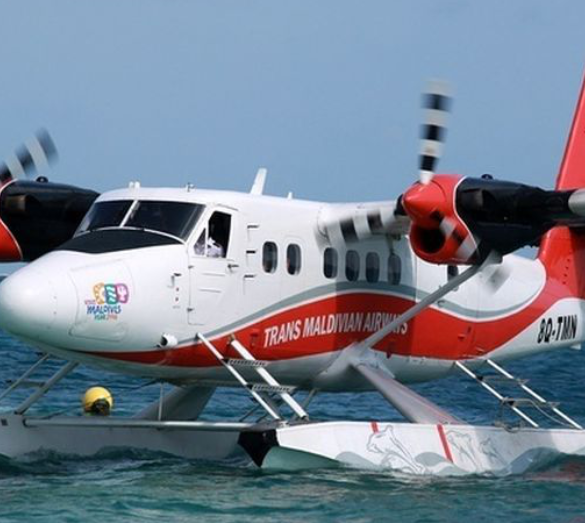
Twin Otters could be delivered directly from the factory with floats, skis, or tricycle landing gear fittings.

Youtube Link
As of August 2006, a total of 584 Twin Otter aircraft (all variants) remained in service worldwide. Major operators at the time included.
Read more in de Havilland Canada
was a British Canadian aircraft manufacturer.
.


.svg.png)