The Aircraft Manufacturing Company Limited (Airco)
Airco DH.2 Pusher biplane
First flight July 1915

Aircraft Manufacturing
Airco DH.2 Pusher
 |
|
| General information | |
|---|---|
| Type | Fighter |
| Manufacturer | Airco |
| Designer | Geoffrey de Havilland |
| Primary user | Royal Flying Corps |
| Number built | 453 |
| History | |
| First flight | July 1915 |
| Retired | 1918 |
| Developed from | Airco DH.1 |
.
History The Aircraft Manufacturing Company Limited (Airco)
Airco DH.2 Pusher biplane
First flight July 1915
Design
.jpg)
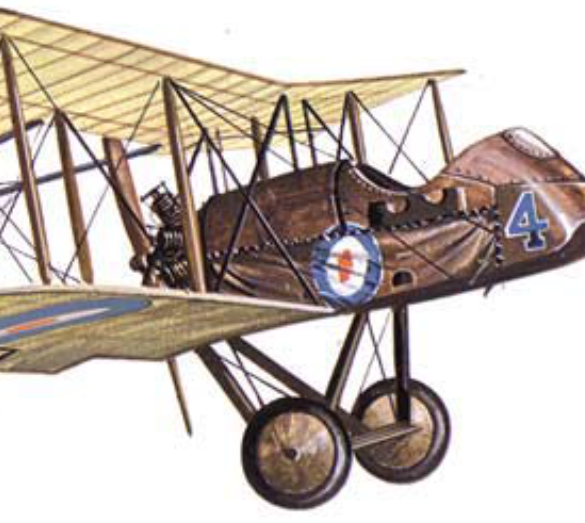
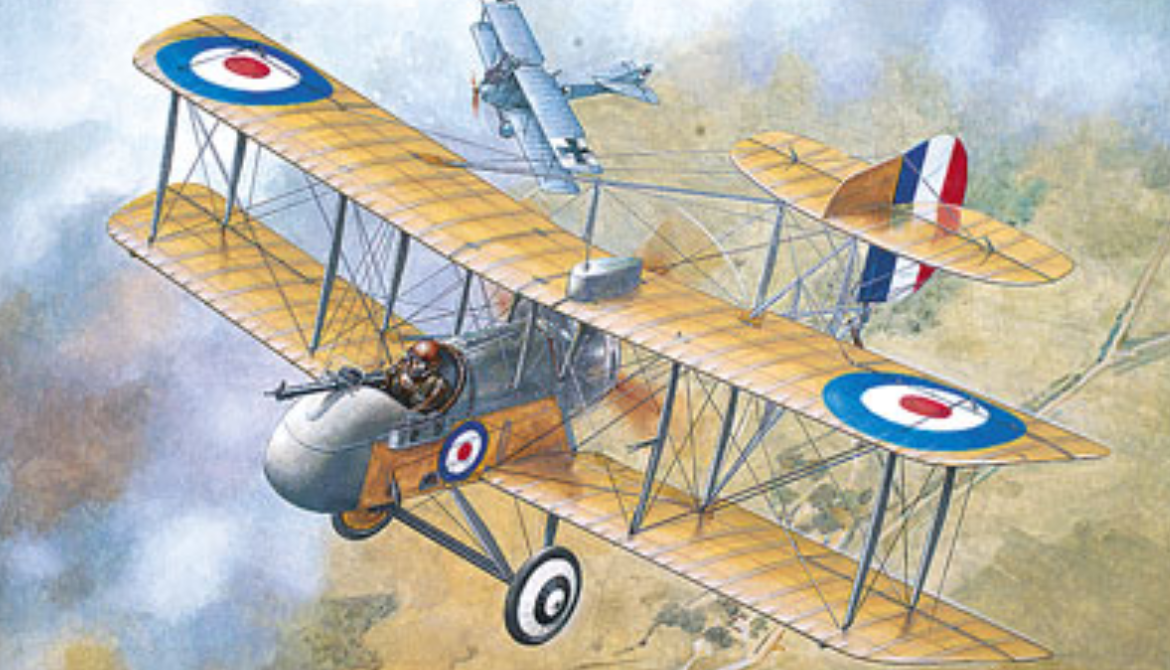
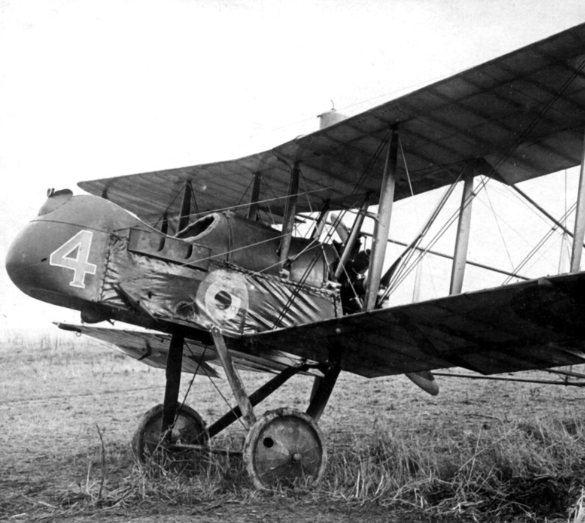
The Airco DH.2 was a compact two-bay pusher biplane fighter aircraft. It had a wooden airframe, which was wire-braced and covered by fabric across most areas, except for the nacelle nose and upper decking. Both the upper and lower wings had ailerons fitted. The upper ailerons were spring-loaded to automatically return to a neutral position when the controls were released. The upper part of the nose of the nacelle was cut away so that a machine gun could be mounted there. Unusually, the windshield was mounted on the machine gun rather than to the airframe
Operational service


0
KmCeiling
0
HrEndurance
0
km/hAircraft Speed
0
Max Crew
Photo Gallery
The Aircraft Manufacturing Company Limited (Airco)
Airco DH.2 Pusher biplane
First flight July 1915


The Aircraft Manufacturing Company Limited (Airco)
Airco DH.2 Pusher biplane
First flight July 1915
General characteristics
-
- Crew: 1
- Length: 25 ft 2+1⁄2 in (7.684 m)
- Wingspan: 28 ft 3 in (8.61 m)
- Height: 9 ft 6+1⁄2 in (2.908 m)
- Wing area: 249 sq ft (23.1 m2)
Materials
- Empty weight: 943 lb (428 kg)
- Gross weight: 1,441 lb (654 kg)
- Powerplant: 1 × Gnôme Monosoupape 9-cylinder rotary engine, 100 hp (75 kW)
- Propellers: 2-bladed Integral DG 70 fixed pitch wooden propeller

Specifications
- Maximum speed: 93 mph (150 km/h, 81 kn) at sea level
- Endurance: 2 hours, 45 minutes
- Service ceiling: 14,000 ft (4,300 m)
- Time to altitude: 24 minutes, 45 seconds to 10,000 ft (3,000 m)
- .
Development
- Guns: 1 × .303 in (7.7 mm) Lewis gun
- Rockets: Two examples were equipped with Le Prieur rockets for attacking observation balloons
-
-
Links to Youtube & Others
XQ-58 Valkyrie Solves Air Combat ‘Challenge Problem’ While Under AI Control Click on links provided

Aircraft Manufacturing
Airco DH.2 Pusher
In 1919, Dayton-Wright built a limousine version of the DH-4, the single-seat Messenger,
Youtube Link
America entered World War One on the 6th April 1917, and surprisingly, she did so without owning a single combat-worthy aircraft. ., Read more
Read more in deHavilland Aircraft
Aircraft Manufacturing Company Limited (Airco)