
Vickers Limited Armstrong Whitworth & Co Ltd
Vickers VC.1 Viking
Manufactured 1945–1954
First flight 22 June 1945
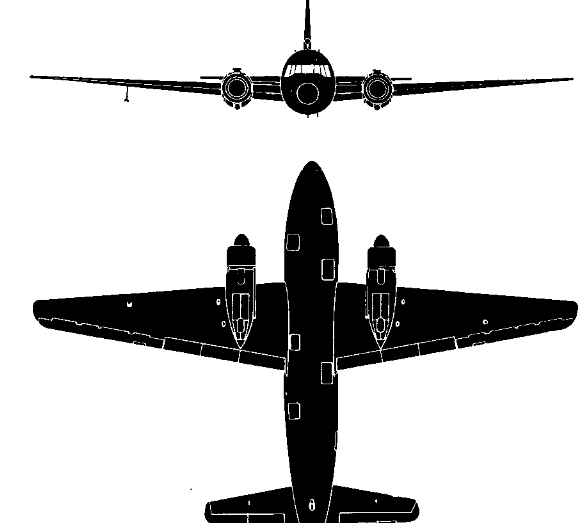

Vickers Limited
Vickers VC-1 Viking
 |
|
| General information | |
|---|---|
| Type | Airliner |
| Manufacturer | Vickers-Armstrongs Limited |
| Designer | R.K. Pierson |
| Status | Retired |
| Primary user | British European Airways |
| Number built | 163 |
| History | |
| Manufactured | 1945–1954 |
| Introduction date | 1946 |
| First flight | 22 June 1945 |
| Developed from | Vickers Wellington |
| Variants | Vickers Valetta Vickers Varsity |
.
History Vickers Limited Armstrong Whitworth & Co Ltd
Vickers VC.1 Viking
Manufactured 1945–1954
First flight 22 June 1945
The Vickers VC.1 Viking is a British twin-engine short-range airliner derived from the Vickers Wellington bomber and built by Vickers-Armstrongs Limited at Brooklands near Weybridge in Surrey. After the Second World War, the Viking was an important airliner with British airlines, pending the development of turboprop aircraft like the Viscount. An experimental airframe was fitted with Rolls-Royce Nene turbojets and first flown in 1948 as the world's first pure jet transport aircraft. Military developments were the Vickers Valetta and the Vickers Varsity.
Operational history

The first Viking was flown from Vickers' flight test airfield at Wisley, Surrey, by chief test pilot Joseph "Mutt" Summers on 22 June 1945 and the third aircraft built was delivered to BOAC at Hurn near Bournemouth on 20 April 1946. Upon the delivery of nine examples to BOAC for development flying, including the two remaining prototypes, British European Airways (BEA) was established on 1 August 1946 to operate airliners within Europe and these first VC.1 Vikings were transferred to the new airline.
After a trial flight from Northolt to Oslo on 20 August 1946 by the newly formed BEA, the first regular Viking scheduled service commenced between Northolt and Copenhagen Airport on 1 September 1946.
0
KmCeiling
0
KmCombat RANGE
0
Km/hAircraft Speed
0
Max Crew
Photo Gallery
Vickers Limited Armstrong Whitworth & Co Ltd
Vickers VC.1 Viking
Manufactured 1945–1954
First flight 22 June 1945

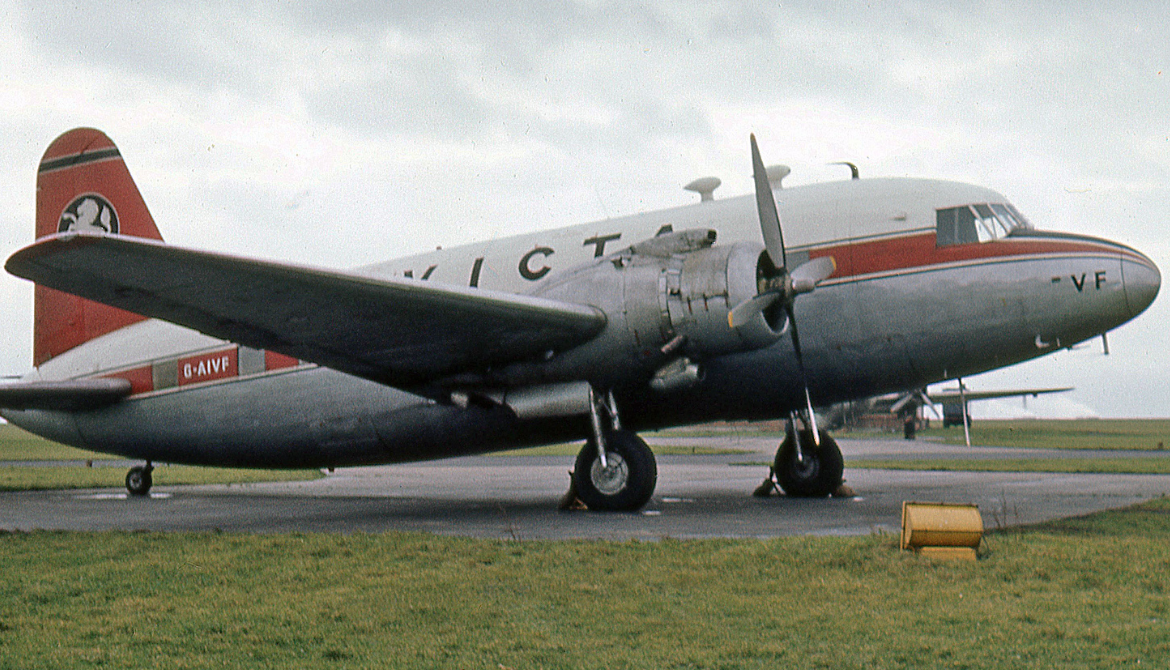


Vickers Limited Armstrong Whitworth & Co Ltd
Vickers VC.1 Viking
Manufactured 1945–1954
First flight 22 June 1945
General Info
-
-
- Length: 65 ft 2 in (19.86 m)
- Wingspan: 89 ft 3 in (27.20 m)
- Height: 19 ft 7 in (5.97 m)
- Wing area: 882 sq ft (81.9 m2)
-
Powerplant
-
-
- Empty weight: 23,000 lb (10,433 kg)
- Max takeoff weight: 34,000 lb (15,422 kg)
- Fuel capacity: 740 imp gal (890 US gal; 3,400 L)
- Powerplant: 2 × Bristol Hercules 634 14-cylinder two-row radial engines, 1,690 hp (1,260 kW) each
-

Performance
- Maximum speed: 263 mph (423 km/h, 229 kn) at 1,000 ft (300 m)
- Cruise speed: 210 mph (340 km/h, 180 kn)
- Range: 1,700 mi (2,700 km, 1,500 nmi) at 210 mph (180 kn; 340 km/h)
- Service ceiling: 25,000 ft (7,600 m)
- Rate of climb: 1,500 ft/min (7.6 m/s)
- Take-off distance to 50 ft (15 m): 2,550 ft (780 m)[
- Landing distance from 50 ft (15 m): 3,900 ft (1,200 m)
Links to Youtube & Others
Eight Vickers Vikings were flown by the Royal Canadian Air Force from 1923 until the last one was “struck off strength” in 1931. The aircraft was used in a variety of roles, primarily in northern Canada. It featured an observer’s cockpit at the front of the fuselage which was often used for photographic reconnaissance.

Vickers Limited
Vickers VC-1 Viking
The replica is 7/8ths scale and was featured in the film “Map of the Human Heart”

Youtube Link
The first airline in Latin America to operate the Viscount was Cubana de Aviación. Cubana's −755D Viscounts, delivered in 1956,

Read more in Vickers-Armstrongs Limited


